Build Update
July 17th, 2026
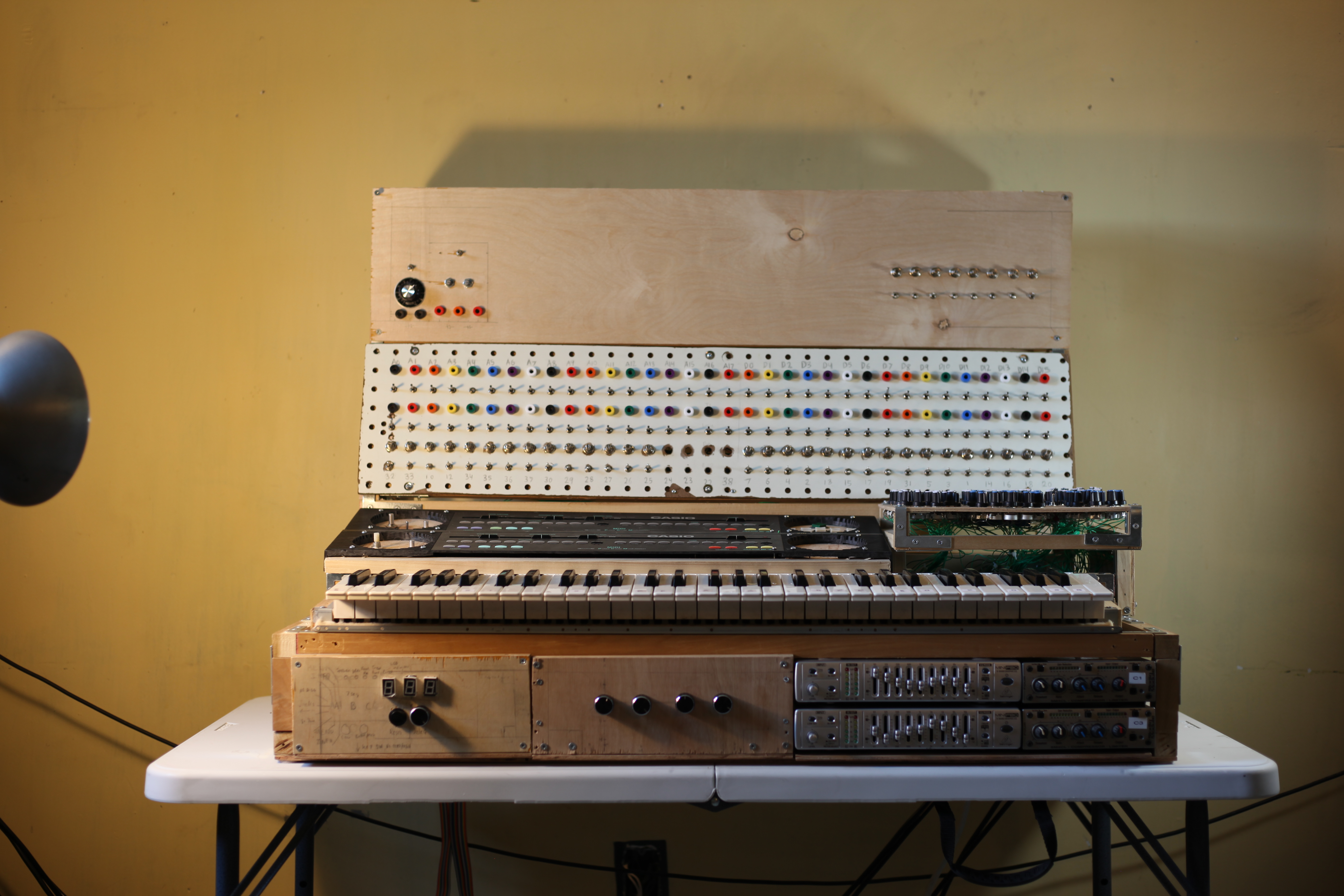
The Cryptwarbler is an experimental circuit-bent synth based on two Casio MT-240s.
- 1. Dual MT-240s Core
- 2. Dual Casio Interface
- 3. ROM Logic Bay
- 4. The Timbreshiftre
- 5. The Keyboard Sequencer (uC)
- 6. Program Menu (uC)
- 7. Audio Board
- 8. Frame
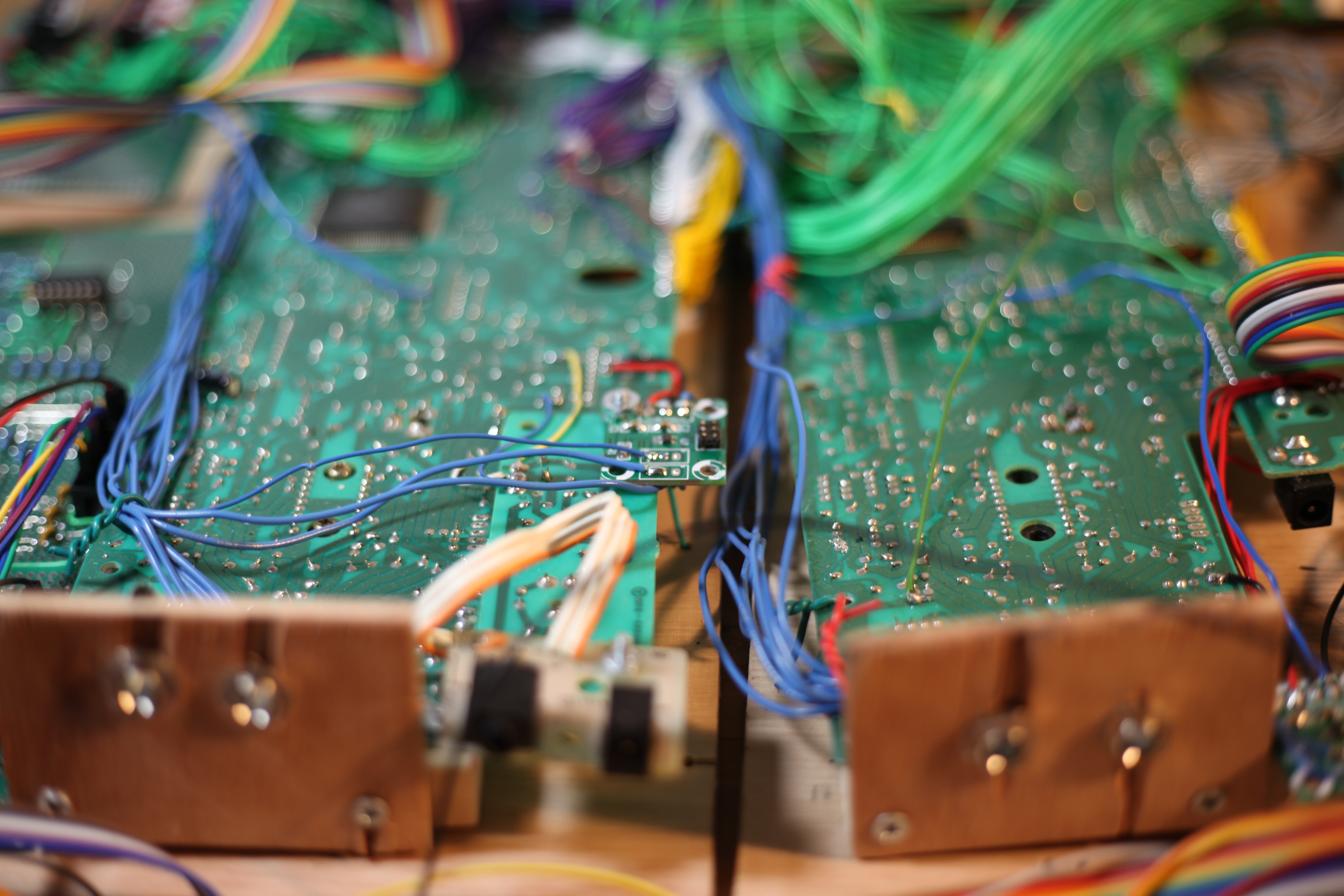
The core is two Casio MT-240 synthesizers.
Every other module interfaces with this one. It's the sound engine, and every circuit-bend alters its normal operation.
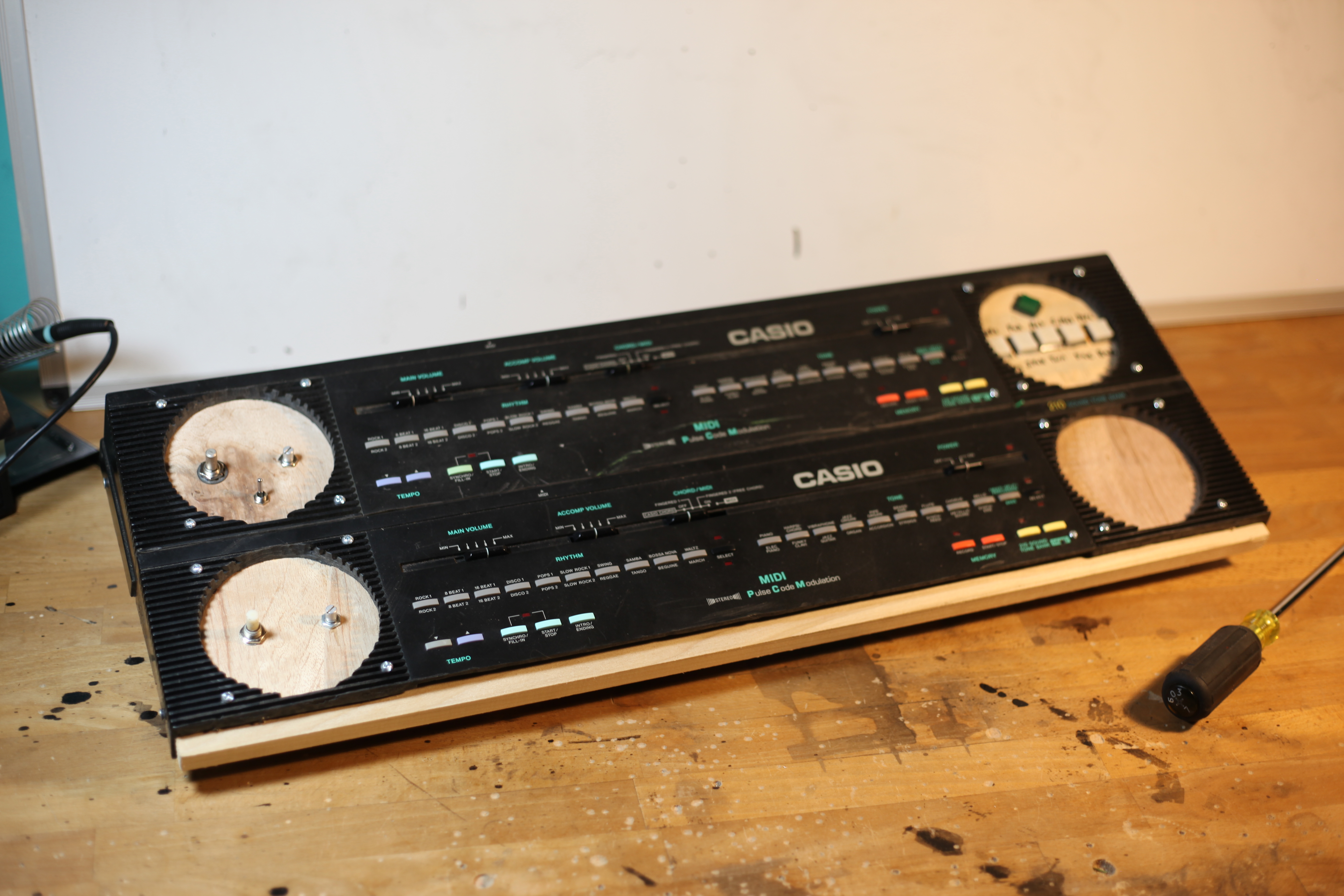
The dual interface is essentially two original MT-240 interfaces smushed into one.
I've removed the mini keyboards, leaving just the vital buttons. Removing the speakers also gives room for clock mod controls, pitch bend controls, and other misc bends.
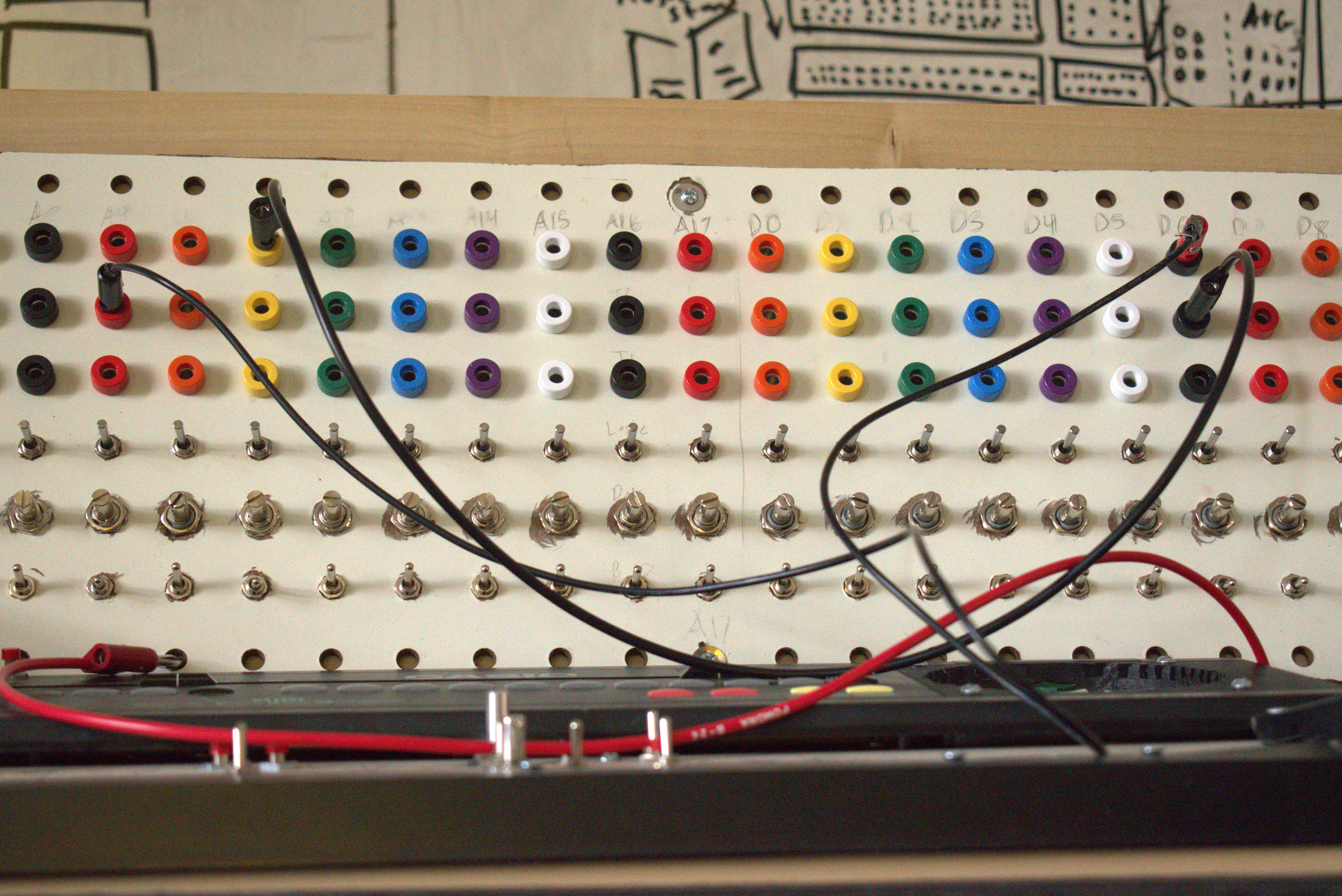
The ROM Patch Bay and Logic Controller is the heart of this circuit-bent synth.
Using banana cables, the controller lets you reroute ROM data, causing a wide variety of sounds and effects based on the combination of patch points.
The Timbreshiftre gives you fine tune control over the timbre of a circuit-bent sound.
This a specialized controller that only acts on the waveform data in the ROM. It also has a crazy mode...!
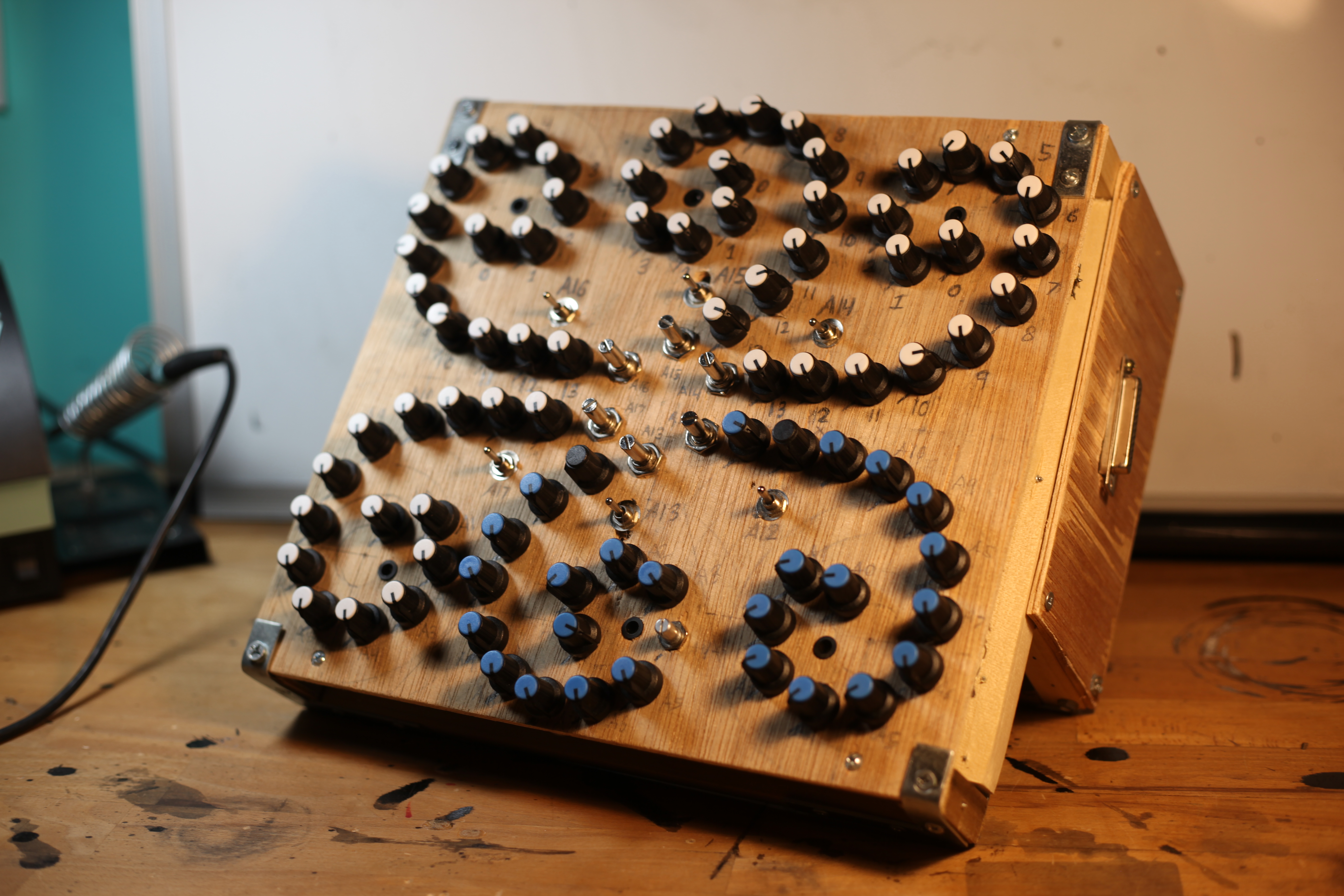
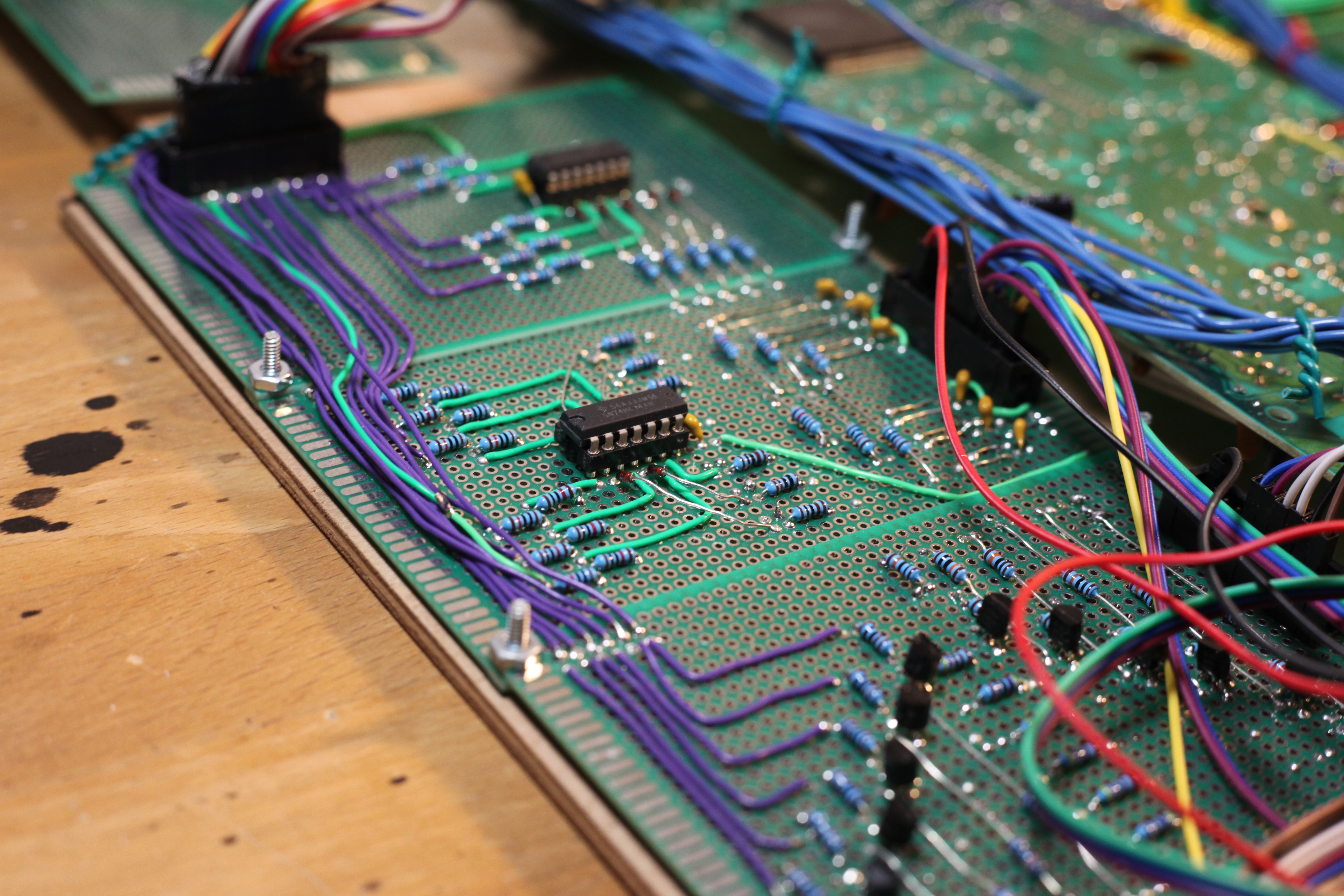
The Keyboard Sequencer is a microcontroller-augmented keyboard, and more.
Some of the things it can do- it can be a frame-perfect sequencer, play notes from other digital sources, or control two simultaneous MT-240s.
The audio board is the only non-circuit-bent part (for now).
I'd like if everything was homemade, but being able to adjust the sound is useful.
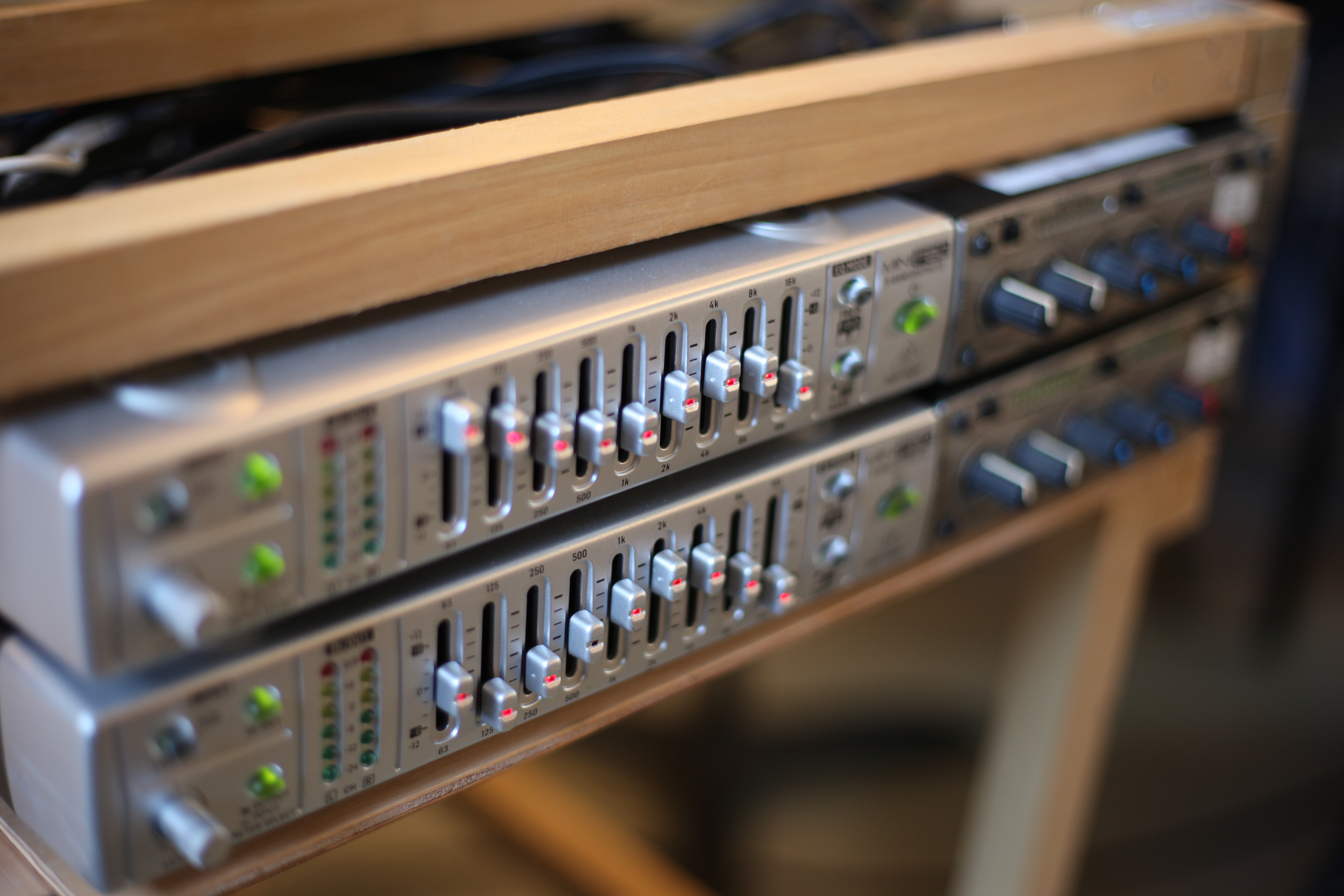
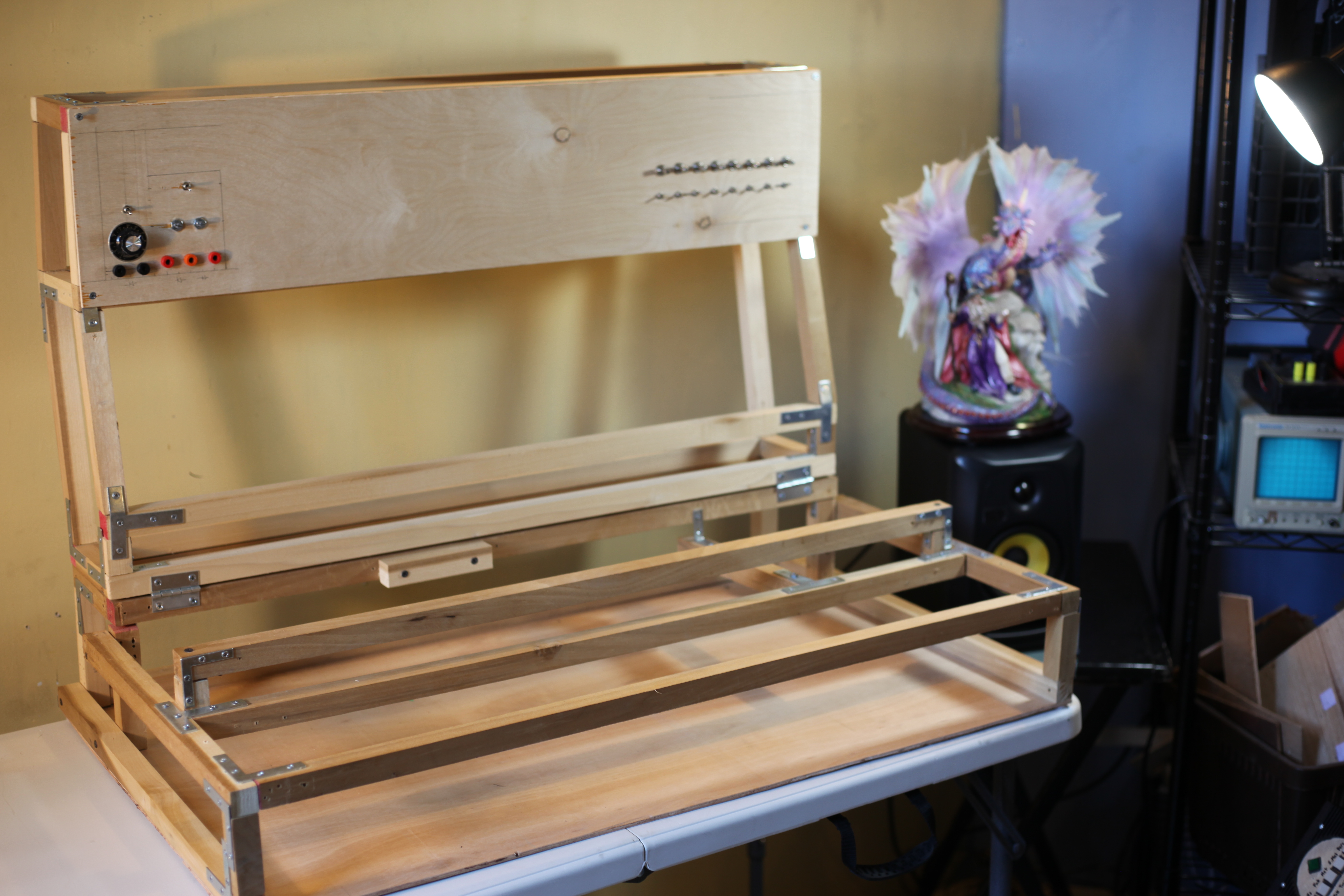
The Frame holds all the modules together.
Cable routing for audio paths, power paths, and connections between modules. It also folds down.